
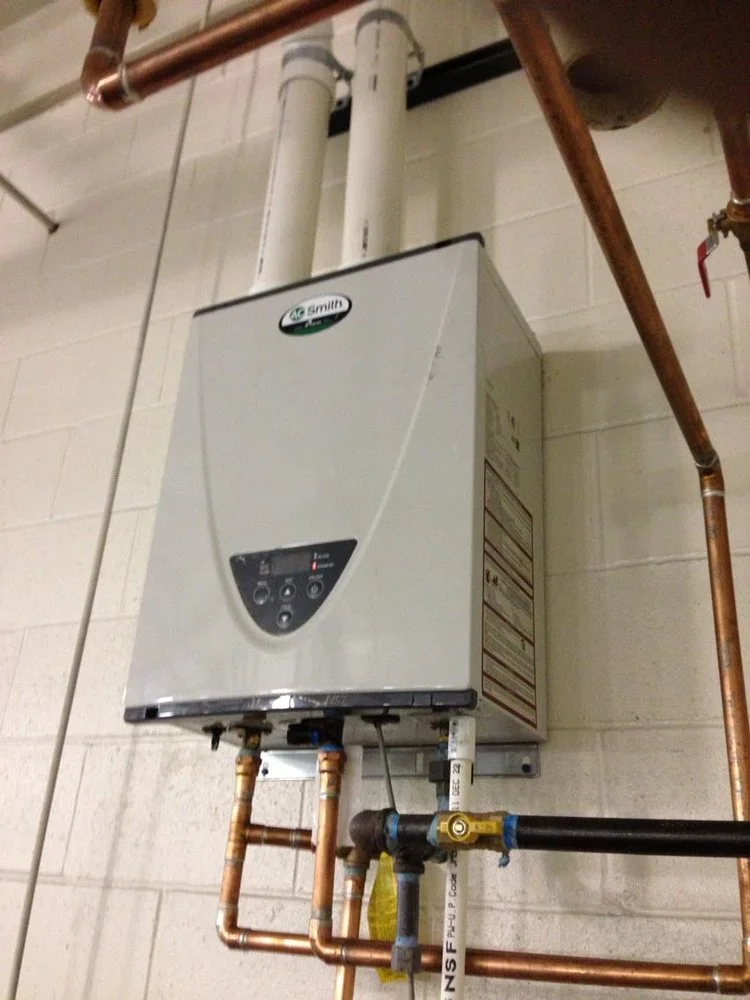
Tankless in Spicewood is a great idea wearing rural complications: the fuel is usually propane (different sizing math), the water is often well-drawn (different treatment math), the structure might be a cabin whose "mechanical room" is a closet with opinions, and half the quotes you'll gather were written for a city house that isn't yours. Done right — propane-fluent, water-tested, properly vented — a tankless conversion out here is arguably more valuable than in town: endless hot water for lake-house crowds, a shoebox footprint in space-tight cabins, and freeze-protection modes built for a weekend place's empty weeks. Here's who does it right in 2026, and the rural checklist that keeps the project honest.
This is editorial research, not advertising: no company paid to appear here, and none were contacted for placement. Beaver A.C. & Plumbing is a referral service, not a contractor, so we're deliberately unranked and excluded. Ratings drift week to week, so we describe durable reputations rather than quoting stars that stale by the month. Verify current reviews and licenses before hiring anyone — including anyone we match you with.
The Lake Travis-area specialist whose reputation rests on exactly this work — reviewer-praised tankless and softener installs, close to home, with the treatment conversation native rather than negotiated. The corridor's natural first call.
The west metro's water-quality specialist — and on well lots, where the chemistry is the whole project, the shop that starts with a test is starting in the right place.
The metro heavyweight with real western reach (4.7-caliber, thousands of reviews) and the multi-trade bench for conversions that grow — outlets in old closets, condensate through finished space, the electrical odds and ends rural projects collect.
Walkthrough-style service — narrated diagnosis, shown work — which on a rural conversion full of judgment calls (vent walls, propane runs, valve placement) is worth real money and real peace of mind.
Family-operated, Lakeway-based, Spicewood in the standing map — the local-relationship option that keeps the conversion and its decade of service visits with one accountable shop.
The same-day posture across the corridor's eastern approach — the responsiveness pick when the old tank has already flooded the timeline.
The all-brands Austin institution — genuinely useful out here, where equipment history is a grab bag and the right unit should follow your fuel, vent path, and closet rather than a distributor sheet. Satisfaction guarantee included.
| Company | Focus | Known for | Service area |
|---|---|---|---|
| Proverbs Plumbing | Heaters, tankless & softeners | Reviewer-praised tankless work | Lakeway & Lake Travis area |
| Cold Is On The Right | Heaters & softeners | Treatment-first projects | Austin & west metro |
| Stan's | Full-service multi-trade | 4.7/5, thousands of reviews | Greater Austin metro |
| Air & Plumbing Today | HVAC + plumbing | Walkthrough-style service | Austin metro incl. Lakeway |
| Neighborhood Plumbing and Drain | Full-service & drains | Family-operated, Lakeway-based | Lakeway, Bee Cave, Spicewood, SW metro |
| Proficient Plumbing Solutions | Repairs, heaters, emergency | Same-day availability | Bee Cave, Lakeway & SW Austin |
| Fox Service Company | Plumbing, HVAC & electrical | All-brands; satisfaction guarantee | Austin metro |
Tell us your fuel, your water source, and your household. Beaver matches Spicewood homeowners with a licensed, vetted tankless installer — free, full conversion price quoted before any work starts.
Whole-home tankless draws several times the BTUs of the tank it replaces, and on propane that demand cascades through the whole supply chain: tank size (a unit that starves a 250-gallon tank in January is a sizing failure, not a product failure), regulator and line capacity (often the real upgrade hiding in the quote), and vapor withdrawal limits in cold snaps, when the tank's ability to deliver drops exactly as the shower demand rises. The fluent installer shows this math in numbers — BTU load against supply at winter temperatures — and coordinates with your propane provider where the tank or regulator needs attention. The city-default quote that skips all of it is the single most reliable sign you're talking to a bidder who doesn't work out here. Priced honestly, conversions run the standard $3,500–$6,500+, with propane supply work and venting as the swing lines.
Lot-to-lot chemistry makes guessing worthless, so the sequence is fixed: water test first, then treatment sized to the result — sediment filtration ahead of everything on silty wells, softening where hardness runs high (it usually does) — then the unit, always with isolation valves, then annual descaling as religion rather than suggestion. Tankless without treatment on a hard well isn't an upgrade; it's a wall-mounted subscription to error codes, and the manufacturers' warranty terms quietly agree. The upside of doing it right: a maintained tankless on treated water is the longest-lived water heating available out here, retiring the 8–12-year tank replacement cycle that this water otherwise enforces.
For lake houses, tankless solves problems tanks can't: no stored 50 gallons waiting to fail through a ceiling during an empty week, built-in freeze protection modes for the cold snaps that catch unwinterized cabins, and instant readiness after two weeks away — no reheating a tank of stale water Friday evening. Pair the unit with the standing weekend-place stack (main shutoff closed for long absences, a smart leak sensor, the plumber shortlist's departure checklist) and the water system stops being the thing you wonder about on the drive out. For rental properties, add the endless-hot-water guest experience and the service-interval predictability, and the conversion math shortens further.
A proper rural conversion runs a full day with the drive included: old tank drained and hauled; propane line run or upsized with the work pressure-tested and the regulator confirmed against the new load; the unit mounted with service clearance on a wall that can vent to spec (cabin rooflines and additions make this a judgment call — the walkthrough-style shops earn their keep here); condensate plumbed and neutralized where required; isolation valves installed; the system fired, combustion-checked, and flow-tested at multiple fixtures; freeze-protection mode configured and explained; and warranty registration handled before the truck leaves. The crew that quotes a cabin conversion sight-unseen, or finishes one by lunch, is planning to meet your house on your invoice — or in year two, past the labor warranty.
Fuel-strategy footnote: the conversion moment is also the propane-budget moment. If the tank bill stings, ask bidders to sketch the electric alternatives — heat-pump water heaters where panel headroom allows, and the broader heat-pump conversation if the furnace shares the tank. Sometimes propane tankless still wins; the point is choosing with the math on the table.
The bottom line: tankless belongs in Spicewood — propane and all — provided the project respects the corridor's three facts: the fuel does different math, the water demands a test, and the good installers prove both in writing before a wrench turns. Gather three matched quotes from the list above, or skip the phone tree entirely: one form to Beaver, and a licensed, vetted installer who actually drives 71 arrives with the full number — and the gate code — already handled.