
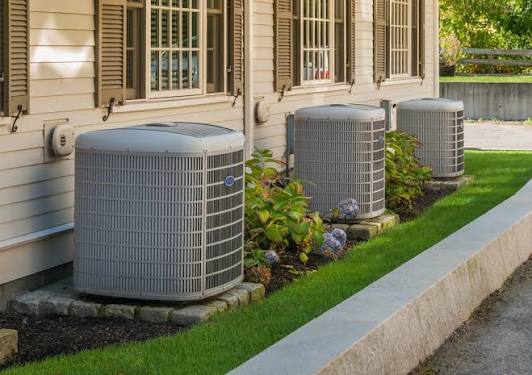
Replacing an air conditioner in Spicewood in 2026 means navigating the most expensive AC market in recent memory across the most varied housing stock in the metro — everything from 1970s lake cabins whose "ductwork" is a story to five-ton custom builds on hilltops with views and heat loads to match. The metro benchmark is $6,500–$8,500 installed for a mid-efficiency 3-ton system; Spicewood projects span from around $5,000 for modest cabin swaps to $14,000+ for large high-efficiency systems, with rural logistics occasionally adding their own line. Here's where the money goes, what changed this year, and how to buy well from forty minutes west of the showrooms.
| Scenario | Typical installed cost |
|---|---|
| Modest cabin swap, 2–2.5 ton, minimum efficiency | $5,000–$7,000 |
| Mid-efficiency 3-ton system (metro benchmark) | $6,500–$8,500 |
| Mid-efficiency 4–5 ton (larger builds) | $7,500–$10,500 |
| High-efficiency / variable-speed 4–5 ton | $10,000–$14,000+ |
| Full HVAC system (AC + furnace or air handler) | $8,500–$16,500 |
| Add: duct repair or replacement | +$1,500–$5,500 |
| Add: electrical/panel upgrades | +$500–$2,000 |
Tonnage drives the base, and Spicewood's spread demands an actual Manual J load calculation rather than "same as the old one" — doubly so out here, because so many older systems were sized by guesswork in the first place, and because hilltop exposure, cabin shade, and added insulation all move the number. Oversized systems short-cycle, cool clammy, and die young; the cabin that got a too-big unit in 2009 is the service call of 2026.
Every new residential AC in 2026 ships on R-454B refrigerant — successor to R-410A, and incompatible with it. Three consequences for Spicewood buyers: matched systems are the norm now (condenser plus compatible indoor coil together — the cheap condenser-only swap is functionally extinct); the transition added roughly $500–$1,000 to equipment costs across every brand, so it's in every quote, not just yours; and the cost of not replacing is rising in parallel — R-410A gets scarcer each season, and the R-22 in older cabin systems is already at $100–$250 per pound, punitive territory that can make a single major leak the system's final bill. For owners of aging systems, the transition raised the price of both choices; age and refrigerant type now decide the argument more than anything else.
Beaver matches Spicewood homeowners with licensed, vetted install pros who quote the full price — equipment, labor, code items — before any work starts. Free, no obligation.
Texas's floor is 15.2 SEER2 — nothing lower goes in legally. With cooling season running April through October, the step to 16–17 SEER2 (typically +$800–$1,500) pays back reliably over a decade. The 18+ variable-speed tier costs several thousand more and earns it on different terms: tighter temperature holds, meaningfully better humidity removal — a real difference in lake-adjacent air — and much quieter operation, which matters when the condenser lives outside a porch you actually use. Ten-year horizon: mid-tier is the value play. Weekender cabin you visit twice a month: the code minimum is honest economics, and the money is better spent on the duct work below.
Spicewood is arguably the strongest heat-pump case in the metro. Mild Hill Country winters sit squarely in modern heat pumps' efficiency sweet spot, federal incentives have recently favored them, and — the rural kicker — many properties out here heat with propane, whose per-BTU cost makes electric heat-pump heating look like a coupon. A replacement that swaps an aging AC-plus-propane-furnace pairing for a single heat pump system can cut both the install complexity and the winter fuel bill; if your propane tank is part of your heating story, run this comparison before signing any straight-AC quote. It's the single most commonly missed opportunity in west-metro replacements.
A few line items that show up on Spicewood quotes more than city ones — most of them legitimate. Duct work ($1,500–$5,500): older cabins carry add-on ductwork from multiple eras, and new equipment pushing air through leaky, undersized runs wastes capacity you just paid five figures for; ask for evidence (photos, leakage or static-pressure numbers), then take the finding seriously. Electrical ($500–$2,000): older rural panels and long service runs sometimes need upgrades to feed modern equipment, and on rural power, surge protection ($150–$300) is armor, not accessory. Crane or access charges: rare, but steep drives and slopes occasionally earn one — ask early if your site qualifies. Permits: jurisdiction varies out here (county versus ETJ), but a contractor who waves permitting off entirely is volunteering you for resale friction. The padding, when it appears, lives in vague "miscellaneous materials" lines and inflated extended warranties — grade the specificity of the answers.
The framework from our repair guide holds: repair quote times system age past $5,000–$6,000 means price a replacement. The Spicewood overlays are sharper than most: R-22 cabin systems facing sealed-system work are near-automatic replacements — refrigerant costs alone break the math — and out-of-warranty compressor failures on 12+ year systems point the same way. Add the limp-along tax: degraded systems run longer cycles for the same cooling, and a Hill Country summer of that quietly rivals the repair bill. The one Spicewood-specific counterweight: if the ductwork needs a full rebuild too, sequence honestly — sometimes the right answer is ducts this fall, equipment next spring, both in shoulder season, neither at panic prices.
A standard changeout is a one-day, two-person job: recover the old refrigerant (legally required), pull condenser and coil, set the new pad and condenser, install the matched indoor unit, braze and pressure-test the line set with nitrogen, pull a deep vacuum — the invisible step whose shortcut kills new systems in year two — then weigh the charge to spec and commission with measured temperature split, static pressure, and amp draws. Out here, add the rural preflight: confirm the crew has the gate code, the drive can take their truck, and any well-house or outbuilding electrical quirks are known before install morning, not discovered during it. You should end the day with permits handled, commissioning numbers on the invoice, and warranty registration paperwork. Crews that finish suspiciously fast on a full changeout usually skipped what you can't see.
Financing footnote: 0%-for-12-months promotions are common and legitimate — but compare cash versus financed pricing explicitly, and ask every bidder what current federal and utility incentives apply, especially on heat pumps. An installer who doesn't know the incentive landscape cold is dating the rest of their knowledge too.
October through March is the buyer's market — open calendars, real promotions, and crews happy to make the drive west. An August emergency replacement is the most expensive way to buy this equipment anywhere, and more so out here, where heat-wave triage deprioritizes far-west routes. Make quotes comparable: same tonnage from a real load calc, same efficiency tier, same scope — matched system, code items, duct and electrical work priced separately — total installed price in writing, both warranties spelled out (10-year registered parts standard; 1–2 years labor, more is a differentiator). Then compare totals, not brand mystique: installation quality — the vacuum pulled, the charge weighed, the commissioning measured — determines more lifespan than any badge. Our Spicewood company shortlist covers who actually works this corridor, or let Beaver match you with a vetted install pro who quotes the whole number up front. Bottom line: $6,500–$8,500 is the metro center, Spicewood spans both sides of it, the heat-pump comparison is the most valuable ten minutes a propane household can spend — and the costliest mistakes remain the panic buy and the brand-over-installer buy. Avoid both and the quote becomes a fifteen-year answer.