
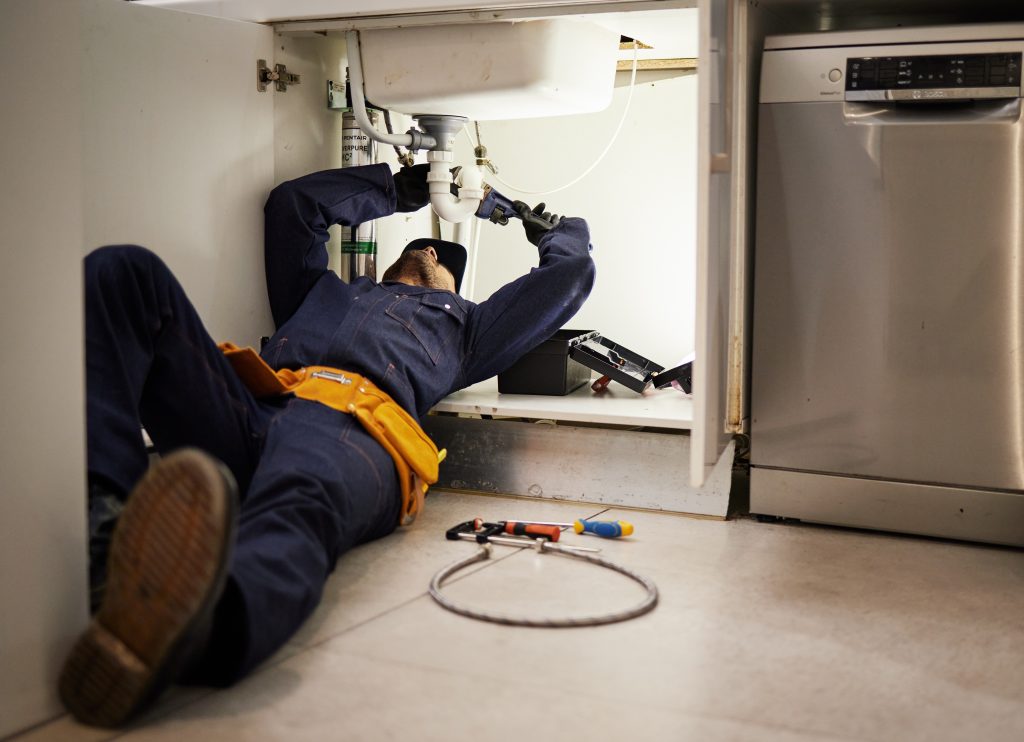
The first thing to know about plumbing prices in Spicewood is which plumber you actually need. City plumbing has one trade; out here the water system has three — the plumber (house side), the well contractor (pump, pressure tank, wellhead), and the septic company (the other end) — and calling the wrong one buys a trip fee and a referral. The second thing to know is that distance is a line item. Here's the 2026 price picture with both facts built in.
Licensed plumbers serving Spicewood bill the same $100–$200 an hour or flat-rate menus as the metro, but the trip fee ($50–$100, sometimes more at real distance) is charged with conviction out here — the drive is genuine, and some shops set service-area minimums instead. Both are fair; both reward the strategy this article will repeat until it sticks: batch everything. The running toilet, the weeping water heater valve, the drippy hose bib, and the slow drain, handled in one scheduled visit, split one trip fee four ways. The homeowner who calls about each symptom separately pays the drive four times.
Standard jobs run metro rates plus modest distance loading: faucet work $150–$325; toilet repairs $150–$350; disposal swaps $250–$550; drain clearing $150–$350 — with a septic asterisk below; water heater replacement $1,300–$2,600, propane details and all (full local guide); pressure regulator work $250–$600 where homes on community systems need it. The boundary items: well pump and pressure-tank work belongs to well contractors (pumps commonly run $1,500–$4,000 installed depending on depth and type), and septic pumping, inspections, and drainfield work belongs to septic companies. A good local plumber knows exactly where the property's handoff lines run and refers across them — which is itself a reason to cultivate one before you need three.
In town, a slow drain is a clog. On septic, a slow drain is a question: one fixture (a clog — plumber, standard rates) or every fixture, gurgling, with the lowest drain backing up first (the tank or drainfield — septic company, different invoice)? Getting the diagnosis right by phone saves a misdirected trip fee, so report the pattern honestly: which fixtures, since when, any gurgle, when the tank was last pumped. A plumber auguring toward a full septic tank is money spent learning what the pump-out truck would've told you first. When in doubt on a whole-house symptom, the septic check usually comes first — it's the cheaper diagnostic.
Beaver matches Spicewood homeowners with a licensed, vetted local plumber — free, with the price quoted and itemized before anyone touches a wrench.
After-hours premiums ($75–$200 or heavier rural trip fees) stack on top of response times measured in real driving, which changes the emergency calculus entirely: out here, damage control is a homeowner skill, not a service you can summon in twenty minutes. The kit: know the main shutoff (often at the wellhead or pressure tank — walk the line and find it on a calm day), know the water heater's own valve, keep a meter key if you're on a community system, and for part-time places, install leak sensors with phone alerts and shut water off when leaving — the Thursday leak at an empty lake house meets its first witness Saturday otherwise. Water stopped promptly turns almost any plumbing failure into a scheduled, regular-rate repair.
The usual decomposition applies — overhead tier, licensing, inclusions — plus a rural factor worth optimizing for: local fluency. The plumber who works Spicewood weekly knows well-system interfaces, propane appliance quirks, which subdivisions sit on community water versus wells, and where the septic handoff lies — and that fluency shows up as tighter quotes, fewer surprise change-orders, and no billable hours spent discovering your property's basics. Ask bidders how often they work this side of the lake. And as everywhere, itemization is the honesty test: parts and tier, labor, trip, each add-on named. The bid that can't be decomposed shouldn't be accepted.
Two lists for calibration. Cheaper than feared: batched small repairs (the trip amortizes), septic pumping on schedule (the cheapest insurance on the property), pressure-tank air-charge checks, and any leak caught while it's a stain instead of a story. Pricier than hoped: anything requiring a second trip for parts (distance doubles the penalty — the photograph-your-fixture trick earns real money out here), trenching to reach supply lines run long ago at creative depths, winter freeze repairs on exposed runs the house should never have had, and the well-to-house interface where two trades meet and neither's warranty quite covers the seam. The unifying rule: out here, cost tracks trips and trenching. Anything that reduces truck rolls — batching, photos, good phone diagnosis, sensors that catch problems early — is money; anything buried or far is more than it looks.
Permits still apply to water heaters, gas, and sewer-adjacent work in the county's jurisdiction layers, and part-time properties have an extra reason to keep the paper tidy: lake houses change hands, and mechanical work with clean itemized invoices and permits survives a buyer's inspection the way handshake work doesn't. Keep the file. Your future closing — or your insurance adjuster after a freeze event — will read it closely.
Hold $150–$350 for ordinary calls (batched, please), $250–$600 for middleweights, four figures for heaters and anything under a slab — and keep separate mental accounts for the well system and septic, each with its own specialist and its own service rhythm (septic pumping every 3–5 years is the cheapest bill in the whole system; deferring it is how the expensive ones start). Cultivate one good plumber before the emergency, learn every shutoff on the property, sensor the part-time house, and batch relentlessly. Distance is a fact of Spicewood plumbing prices; how often you pay for it is a choice.